One shared family history

Every person has a place.Every family can connect.

Kindred is a living family history that everyone can help build — not a folder of separate trees. Add what you know. If that person is already here, we ask you to connect instead of creating a copy. After review, your contribution becomes part of one shared record.

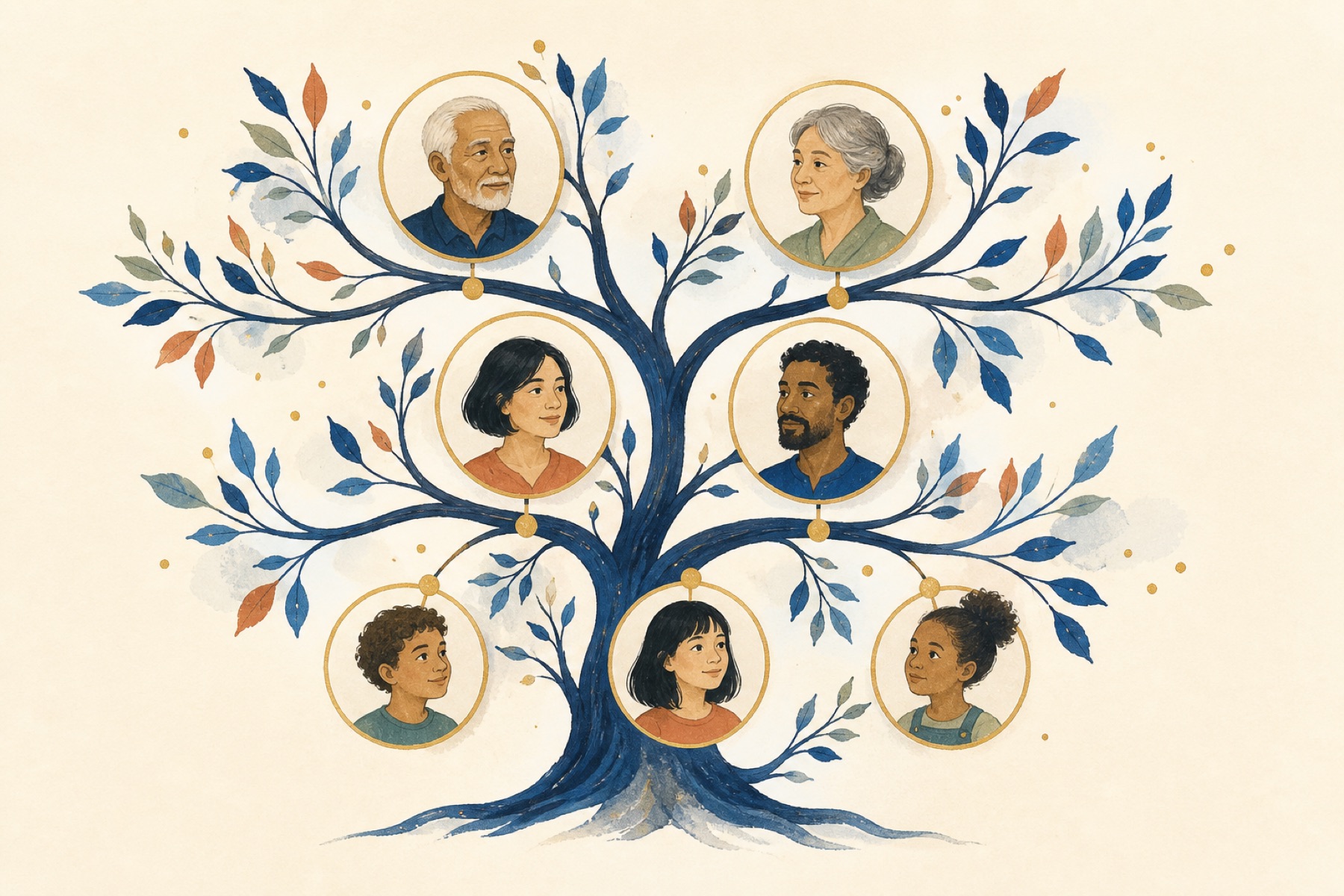
Illustrated family tree with portrait medallions connected by branching lines
One tree. Many hands. No duplicate ancestors.

19

People

34

Relationships

3

Countries

0

Sources

How it works

Start with what you know. Kindred does the careful part.

01

Add yourself

Create an account, then add the person who is you. That is your place in the shared history — it is not the same as your login.

02

Add relatives

Parents, children, partners, and other connections. You can attach a new person, or link two people who are already here.

03

Fill in their life

Biography, career, education, places, sources, and a photo library — including memorial photographs for people you have lost.

04

Review, then share

Changes wait for review before they become canonical. Followers see what was approved. The audit trail stays with the person.

Why Kindred

Built for a graph the whole family can trust.

Nothing is quietly overwritten

When you add or correct a detail, it is reviewed before it becomes part of the shared record. If two relatives remember a date differently, we keep both accounts.

We look for the same person first

Kindred compares names, dates, places, and family members. If someone already looks like a match, we ask you to connect — we never merge people on our own.

How are we related?

Ask how you connect to anyone in your family. Kindred can tell you they are your aunt, your first cousin, or your great-grandfather — and show the path between you.

A library, not one portrait

Each person can have a photo library. Use it for portraits, family gatherings, and memorial images. One photograph can be the face on the tree.

Connect people to each other

You are not limited to your own profile. Attach relatives to a parent, a partner, or anyone already in Kindred — including people who are already recorded.

Living people stay protected

Living records default to family-only visibility. Public pages are for history that families choose to share, not for exposing the living.

For families

For the living, and for the people you remember.

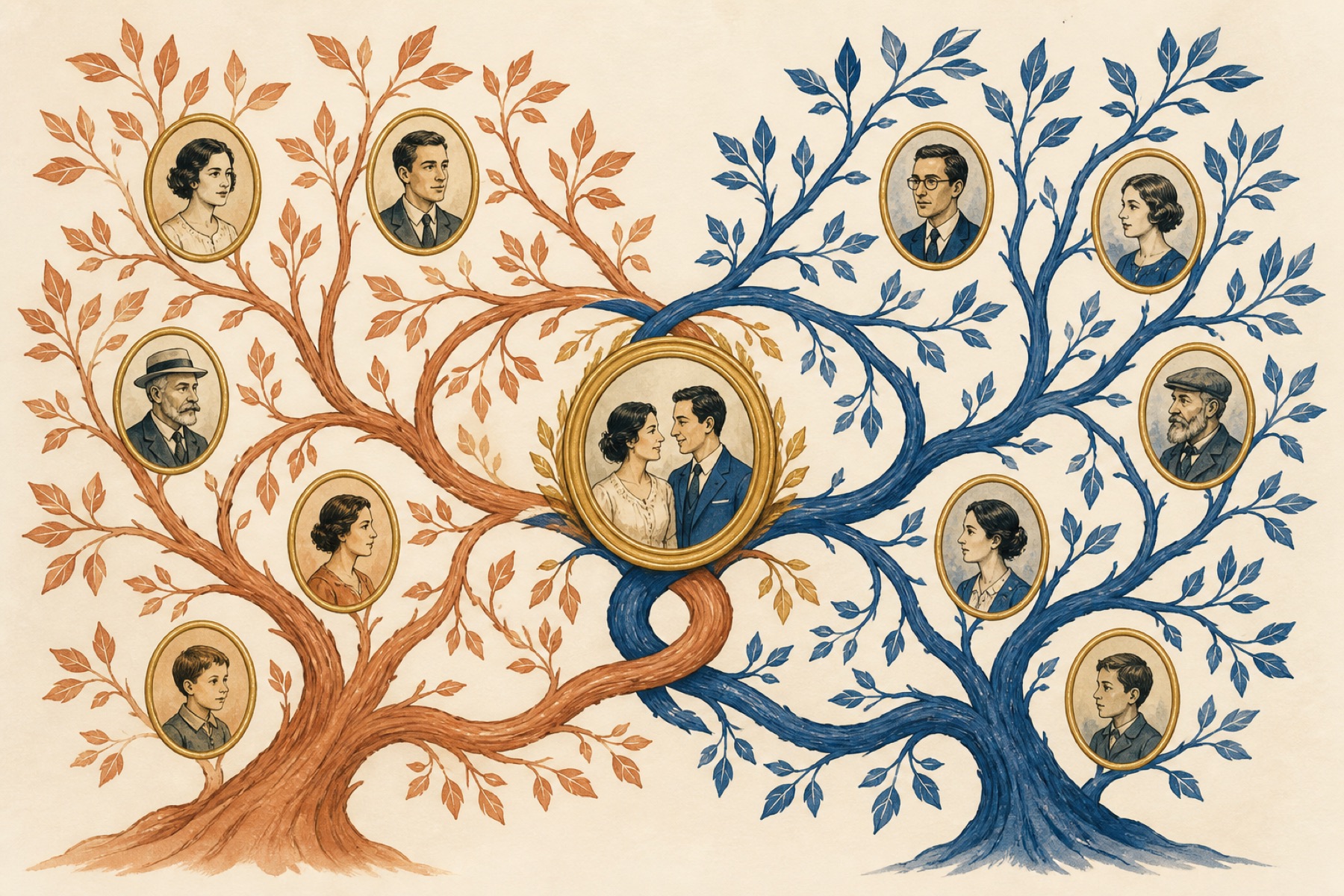
Two illustrated family trees meeting at one shared ancestor

Growing the tree

Start with yourself, then add parents and children. Invite cousins to contribute what they know. When two branches mention the same ancestor, Kindred can show that the families already meet.

  • Interactive tree with parents, partners, children, and other connections
  • Follow people so you hear when their record changes
  • Import hints from GEDCOM and connected platforms, then submit them for review
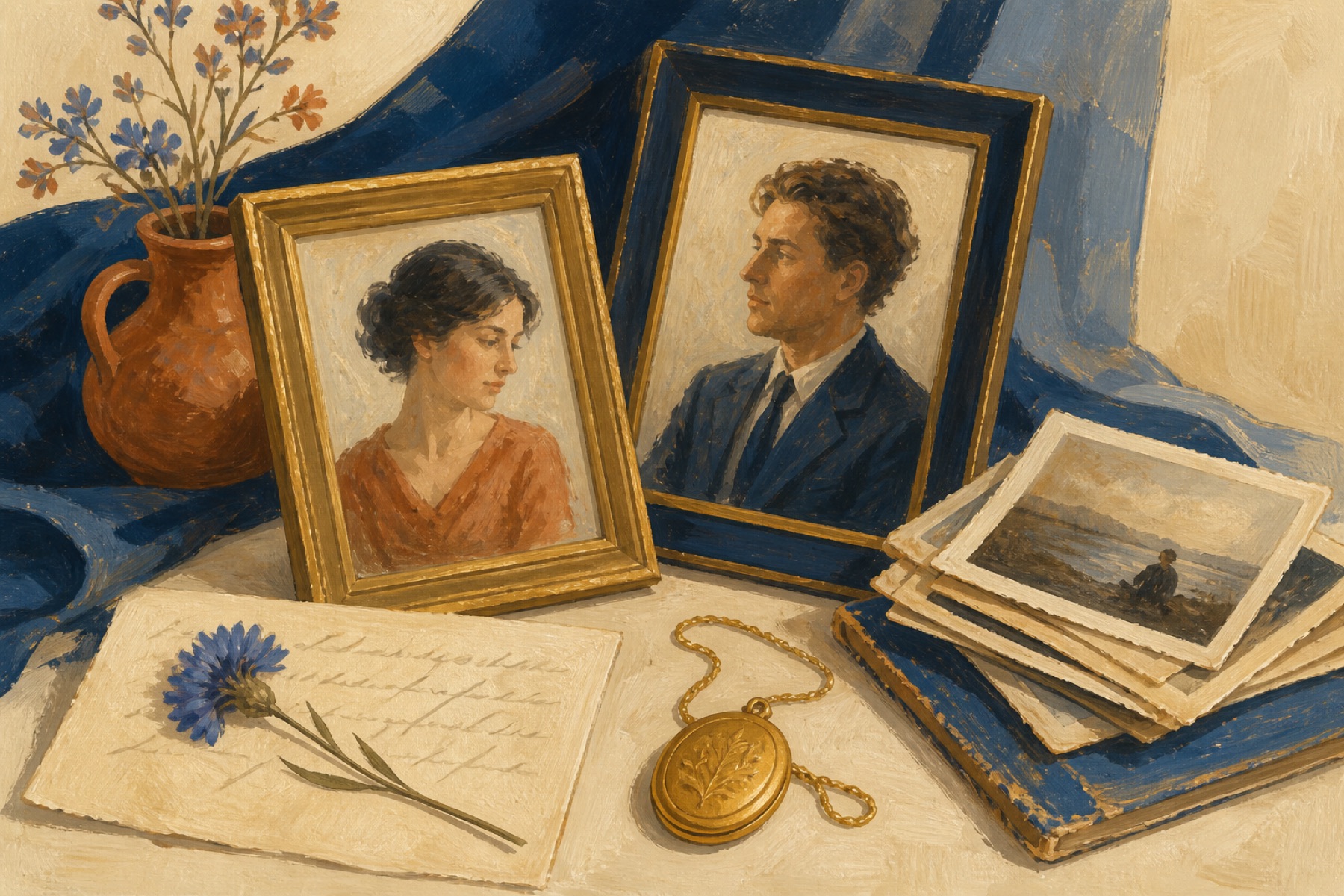
Illustrated keepsakes: portrait frames, letters, and memorial photographs

Remembering someone

A person page can hold more than dates. Write a biography. Add the places they lived. Collect photographs so children and grandchildren can see who they came from.

  • Biography, career, education, places, and sources on one profile
  • A photo library for memorial images, not only a single avatar
  • Contributions stay attributed, so the family can see who added what

Privacy

You contribute. You do not own other people.

Kindred is a shared graph. That means your uncle is not “your record” to overwrite. You can propose what you know. Reviewers decide what becomes canonical, and the earlier account is not thrown away.

Living people are treated more carefully than the deceased. Family-only visibility is the default for the living. Restricted people stay hidden unless you have a reason to see them.

Matching never auto-merges. If two records might be the same person, a human still has to say so. That is slower than a silent merge, and that is the point.

Get started

Add the first person you remember.

Create an account, add yourself, then add a parent or a grandparent. The shared history starts with one true person.